Putin is isolated on the world stage, and humiliated by Ukraine in the battle field.
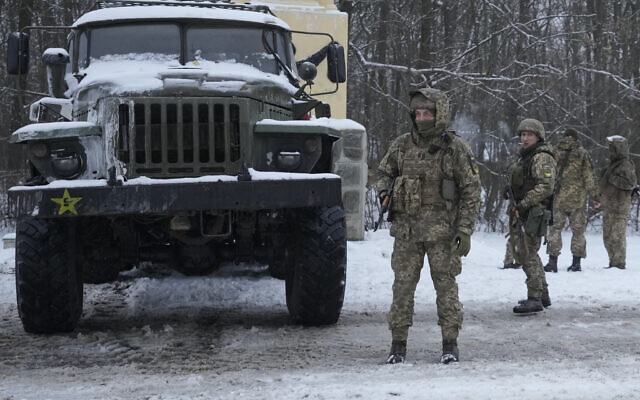
The war is in its 6th day, and despite having the third largest military capability (after US and China), Russian military have not taken any major cities of Ukraine.
There are several reasons for this. First, Russia is facing supply and logistic problems. The military planners took the most ambitious strategy: attack Ukraine on three fronts. By attacking on three fronts, Russia has overextended its supply.
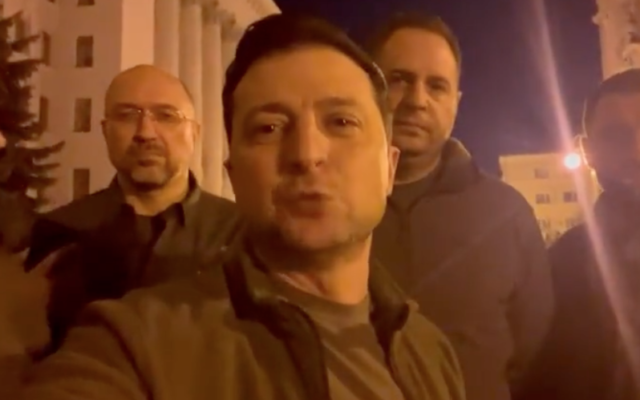
Second, Russian forces grossly underestimated Ukraine’s fighting spirit. In 2014 Russia strolled in and took over Donbas and Crimea. Since then Ukraine built up a relatively capable military. But more so, civilians have harkened to the call to take up arms and fight.
Third, the West have come together against Russia in a way never seen before. Led by the EU and US, the world have sanctioned Russia. Including Putin himself, his close associates, Russian Central Bank, international money transfer messaging SWIFT, and this taking a hit on Russia.
But the most important loss for Putin is, by invading Ukraine, he created more enemies with nations close to Russia. Germany, for instance, broke its long-standing policy not to supply military arsenal to any country. For the first time Germany is sending 1, 000 anti-tank weapons and 500 Stinger anti-craft weapons. Neutral countries including Finland, Sweden, Switzerland, Austria, and Ireland are sending assistance to Ukraine.
Even China, which signed an agreement for closer ties with Russia a month ago is not helping Russia, instead calling for negotiations to end the conflict.
US and NATO have used this opportunity to send more military support to NATO in close proximity to Russia.
When this war is over, Russia will be economically paralysed, have far less supporters in the international arena, and have a neighbouring Europe that is armed to the teeth and every imagined during peace times.
It was a gross blunder on Putin’s part